




Education

Temporary Buildings for Education Use

Typical uses:

Temporary buildings are widely used in education where schools, colleges, and universities need to respond quickly to changing space requirements. Common drivers include rising pupil numbers, refurbishment programmes, condition issues with existing buildings, and short-to-medium-term expansion needs that cannot wait for traditional construction.
Rather than being basic stop-gap solutions, modern temporary education buildings provide safe, compliant, and functional learning environments that support day-to-day teaching. When correctly specified, they allow institutions to maintain educational continuity while managing budget, programme, and site constraints.
They are frequently used to deliver additional classrooms or specialist teaching space within live school environments, where speed of installation, minimal disruption, and predictable costs are critical.

Get In Touch

Educational Buildings


Education Building Design Considerations

Educational environments place very specific demands on buildings. Spaces must support focused learning, safe supervision, and predictable daily use by pupils and staff. Layout, circulation, acoustics, and internal conditions all directly affect how well a space functions as a teaching environment.

Classroom size and proportions are a primary consideration. Spaces need to comfortably accommodate class numbers, furniture layouts, and teaching equipment while maintaining clear circulation routes and safe access. In many cases, multiple classrooms are arranged within a single temporary building, making corridor widths, entrance points, and supervision sightlines particularly important.

Internal height and span influence both usability and comfort. While education buildings do not require the same clear spans as sports facilities, sufficient height is important for ventilation, lighting performance, and creating a non-restrictive learning environment.
Acoustics are critical in educational use. Teaching spaces must control noise transfer between rooms and minimise external noise intrusion so that lessons can be delivered without disruption. Building specification and internal finishes should reflect this requirement from the outset.
Temporary buildings must also integrate safely with existing school infrastructure. This includes compliant access routes, clear separation between pupil and service areas where required, and layouts that align with safeguarding and supervision requirements.

360 Tour

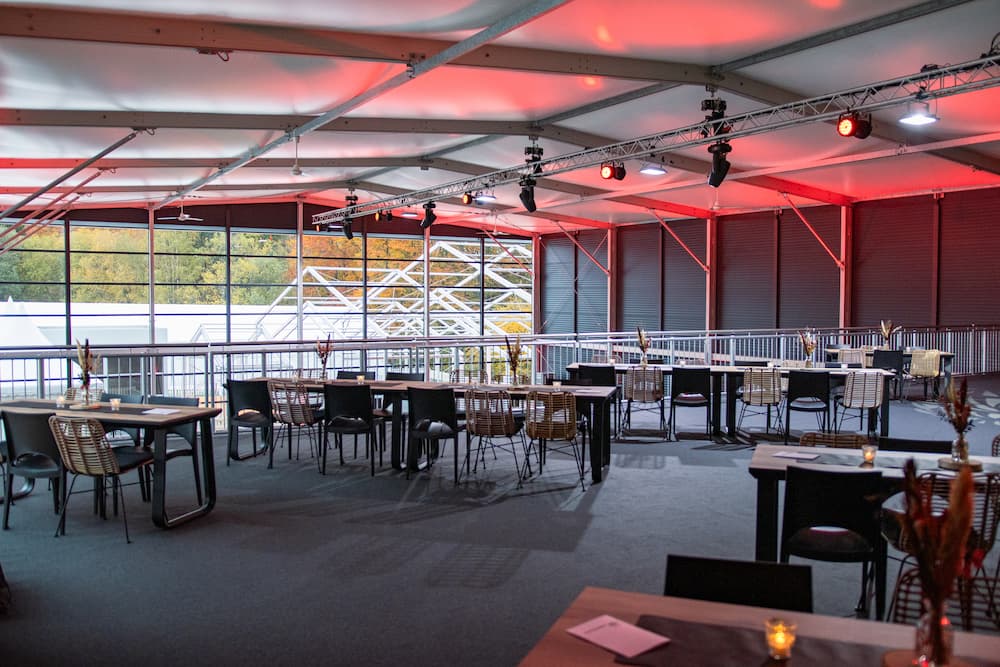
Take a look inside our buildings and discover what is possible with HR-Structures.

Exploring this way gives you a realistic view of our construction methods so you can develop concrete ideas for your own project.

Interim lecture theatre for Police courses

Interim sports hall in lightweight construction

The Benefits of Aluminium Framed Buildings

Our cost-effective aluminium framed buildings can be erected quickly in just a few days. Low transport and assembly costs help keep the overall cost of temporary buildings below comparable traditionally built permanent alternatives.

Internal Environment and Performance

Consistent internal conditions are essential for effective teaching. Classrooms are typically occupied for long periods throughout the day, often by large numbers of pupils, which introduces heat, moisture, and noise.

Insulation and ventilation play a key role in maintaining comfort and concentration. While full heating systems are commonly required in education buildings, the overall specification should be driven by actual occupancy patterns rather than assumptions. A well-balanced approach ensures spaces are comfortable without incurring unnecessary running costs.

Daylight and artificial lighting must support reading, writing, and screen-based learning. Lighting layouts should be even and glare-controlled, with careful consideration of window placement to avoid distractions while still providing a positive internal environment.

Temporary Building Types for Education

Our temporary buildings for education use are available in a range of formats, allowing the structure to be matched precisely to the school’s operational needs and expected duration of use.

Temporary classroom buildings
Purpose-designed for teaching and learning, these buildings provide enclosed, insulated spaces suitable for daily classroom use. Layouts can include single classrooms or multi-classroom blocks with shared circulation, toilets, and storage as required.

Temporary teaching and support space
Used for exam halls, dining areas, staff accommodation, or specialist teaching functions. These buildings are configured to suit the activity taking place, with internal layouts and services tailored accordingly.

Temporary sports and activity buildings
Used where schools require covered indoor space for PE, assemblies, or multi-use activities during refurbishment or expansion projects. These buildings prioritise clear internal space, safe access, and durability for high-traffic use.

Selecting the right building type at the outset ensures the temporary facility supports teaching effectively while remaining proportionate in cost and specification.

Building Design for Effective Learning Environments

Temporary education buildings are designed to function as complete, usable facilities rather than basic enclosures. Clear internal layouts support flexible teaching arrangements, while appropriate insulation, ventilation, and lighting ensure the space is suitable for prolonged daily use.

Internal finishes should be robust and easy to maintain, reflecting the realities of school environments. Storage provision is important for keeping classrooms organised and safe, particularly where space is shared or reconfigured over time.
Safety and compliance underpin all education projects. Temporary buildings must meet relevant building regulations and education-specific requirements, ensuring pupils and staff can use the space confidently from day one.

When designed correctly, temporary buildings allow schools to respond to immediate needs without compromising the quality of the learning environment.

Need Advice?

If you’d like guidance on selecting the most appropriate temporary building for an education project, speak to our team. We’ll advise based on pupil numbers, duration of use, teaching requirements, site constraints, and integration with existing facilities.

Next Steps

We can provide an early-stage project report outlining a suitable temporary building approach and a ballpark cost range to support feasibility, funding discussions, and internal approvals.
This can then be followed by a free site visit. After the site visit, we produce a project-specific report based on confirmed requirements, site conditions, programme, and intended educational use.

Want to know more?

If you’d like a deeper understanding of how we support education projects beyond the structure itself, the links below explain our approach:

Testimonials

Read what our customers have to say

Contact us

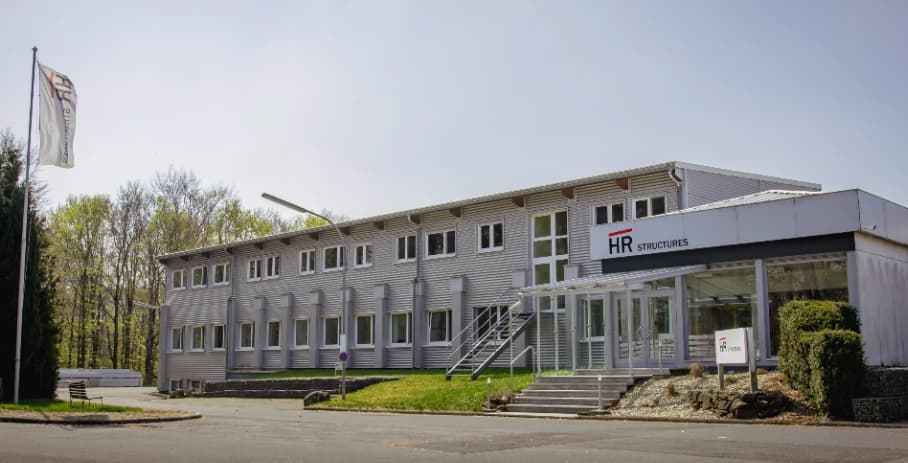
We manufacture all of our aluminium framed structures in our production facility in Germany. With a highly qualified team of industry experts, we manage everything from planning, design, manufacturing, delivery to site and assembly of the finished industrial structures.